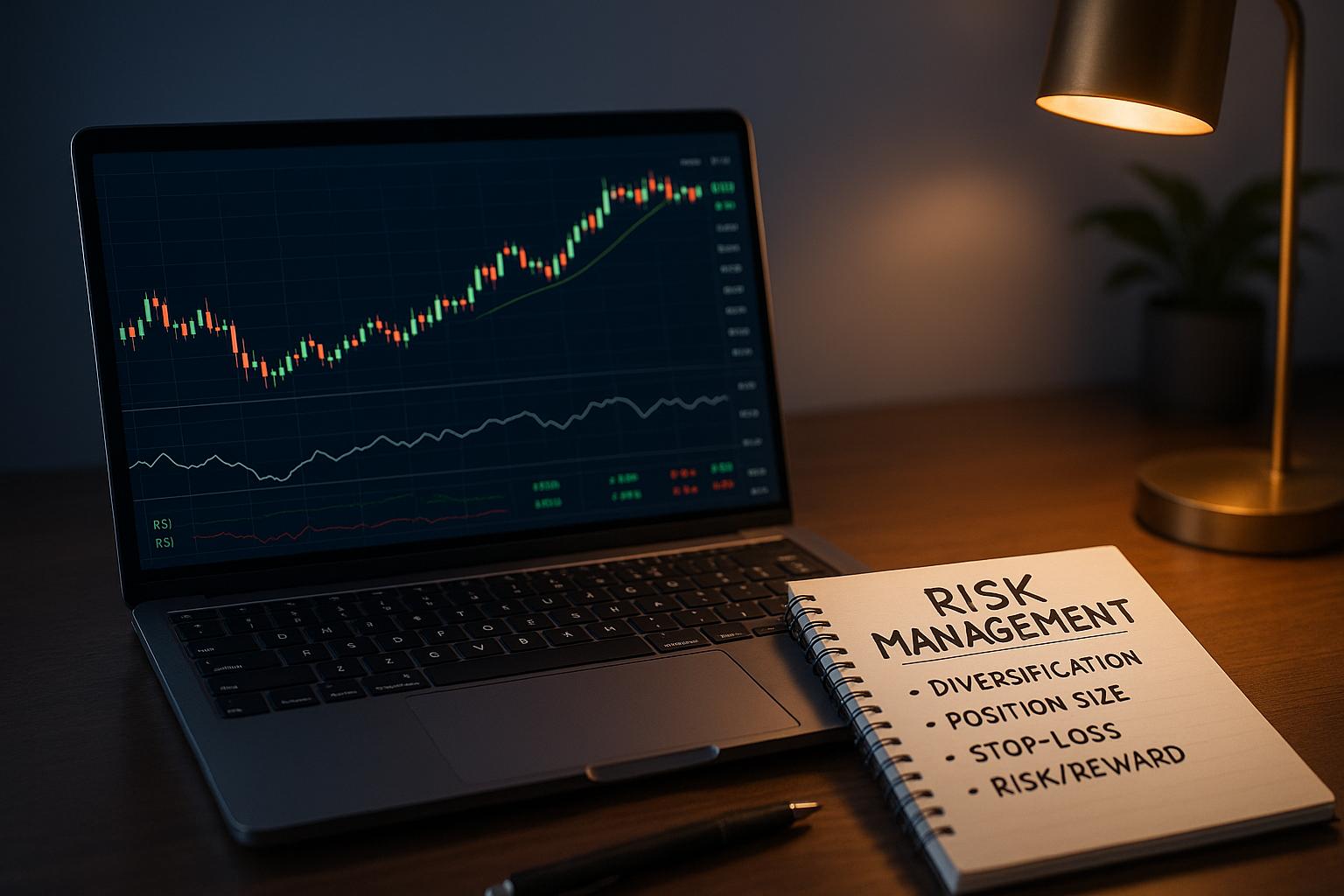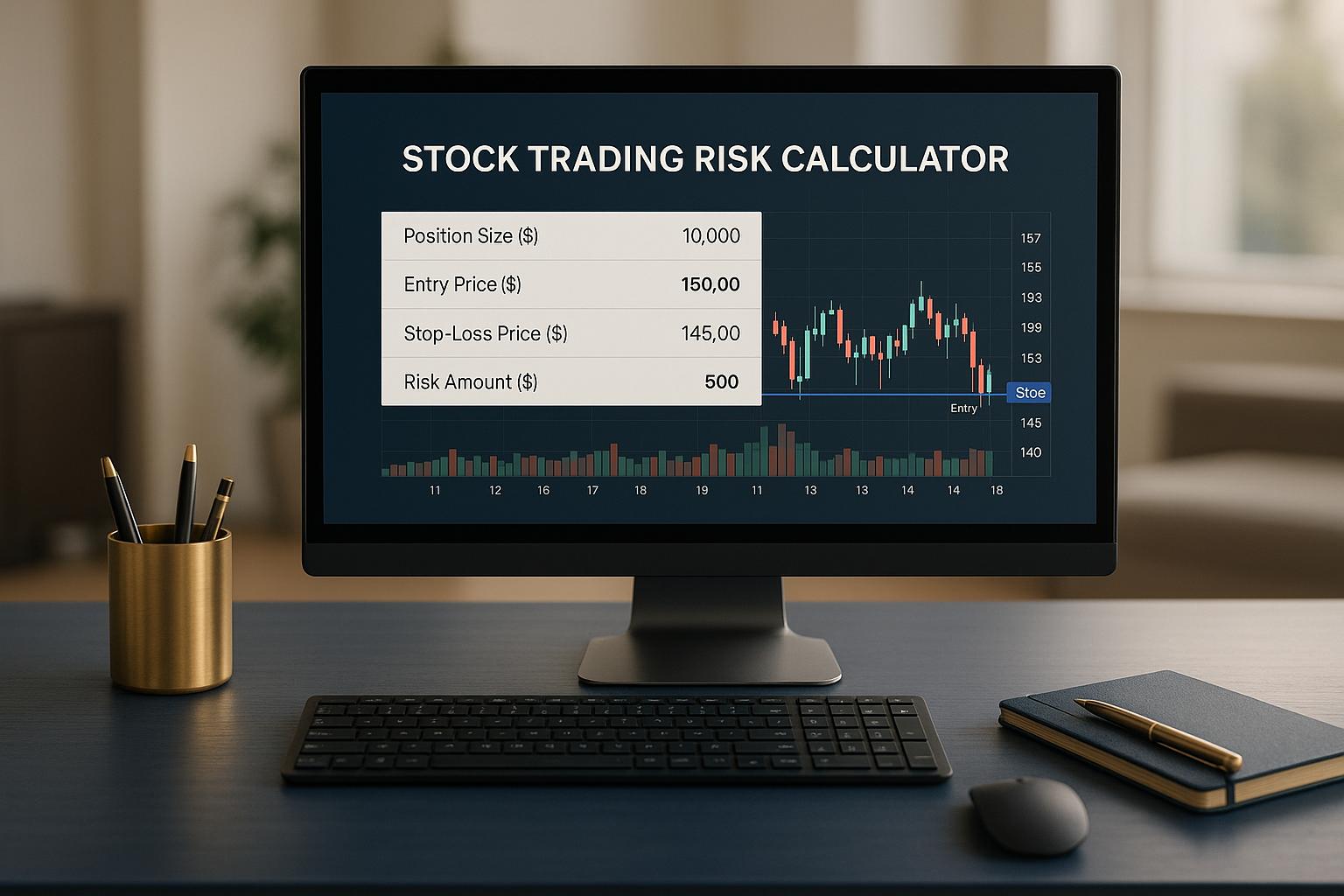
Risk management is the unsung hero of successful trading. Most traders focus intensely on strategy, market indicators, or tools to gain an edge, but they often underestimate the critical importance of managing risk. In the volatile world of stocks and cryptocurrency trading, protecting capital is as vital as making profits. This article dives deep into dynamic position sizing, a transformative approach to risk management designed to help traders mitigate losses, maximize gains, and build consistency over time.
Whether you're an experienced professional or an enthusiastic beginner, this guide will help you adopt actionable techniques for dynamic risk sizing - and finally break the cycle of inconsistent trading results.
Why Risk Management Is Killing Your Trades
Many traders mistakenly view risk management as a limitation on their potential profits. In reality, effective risk management ensures survival in the market, enabling traders to remain in the game long enough to capitalize on the best opportunities.
The speaker in the video highlights a "cannon event" familiar to most traders: experiencing significant gains over a week or two, only to lose it all in a matter of days. This cycle happens because many traders fail to approach risk management strategically. Instead of honing their ability to protect profits, they focus solely on making money, leading to impulsive decisions and overleveraging.
The mindset shift required for success is this: trading is about protecting your capital, not chasing profits. Making money in the market is relatively easy; preserving it is the hard part. Dynamic position sizing helps traders stay disciplined and make calculated decisions based on conviction, conditions, and emotional control.
What Is Dynamic Position Sizing?
Dynamic position sizing is a risk management approach in which traders adjust the size of their positions based on market conditions, personal conviction, and other relevant factors. Unlike fixed risk strategies - such as risking 2% of your account on every trade - dynamic sizing allows for greater flexibility. Key elements of this method include:
-
Conviction: The confidence a trader has in a specific setup or strategy.
-
Market Conditions: The overall environment, including trends, volatility, and liquidity.
-
Personal Factors: The trader's mental and physical state, such as focus and emotional readiness.
Dynamic position sizing is particularly beneficial for experienced traders because it allows them to leverage their knowledge and intuition. However, even newer traders can start incorporating elements of dynamic sizing into their strategies to build better habits.
Building a Dynamic Position Sizing Framework
To implement dynamic position sizing effectively, traders must develop a structured framework that accounts for conviction, market conditions, and their own mental state. Here’s a step-by-step breakdown:
1. Understand and Rate Your Conviction
Conviction is the foundation of dynamic sizing. Ask yourself the following questions before taking a trade:
-
Does the setup align with your proven strategy?
-
Do market indicators support your bias?
-
Are you confident in this trade based on past experience?
If the answer to these questions is a strong "yes", you have high conviction and can consider increasing your position size. Conversely, if your conviction is low, reduce your risk or sit out entirely.
2. Evaluate Market Conditions
Certain market conditions are more conducive to successful trades than others. For example:
-
High-quality conditions: Clear trends, strong liquidity, and predictable price action.
-
Low-quality conditions: Uncertain or choppy markets, low volume, or pre-news volatility.
Traders should adjust their risk levels to match the quality of the market environment. For example, during slow periods or unclear price movements, it’s wise to reduce size and stay defensive.
3. Account for Personal Readiness
Trading is inherently emotional, and ignoring your mental state can lead to poor decision-making. Factors such as fatigue, stress, or recent losses can affect your judgment. Be honest with yourself:
-
Did you get enough rest?
-
Are you emotionally prepared to handle losses?
-
Are you trading from a place of focus or desperation?
If you’re not in an optimal mental state, reduce position size or take a day off.
4. The Mental "Trash Bin" Technique
Dynamic sizing requires emotional detachment from money. To achieve this, adopt the speaker's "mental trash bin" technique:
-
Before placing a trade, imagine the money you're risking is already lost.
-
Accept the loss mentally before placing the trade. This mindset reduces the emotional impact of drawdowns and helps you stay rational.
This technique can also be applied when increasing position size. By mentally "burning" the additional capital you’re putting at risk, you’re preparing yourself to trade with clarity rather than fear.
5. Pyramiding Trades
Dynamic sizing doesn’t just mean increasing risk on a single entry. Pyramiding involves adding to a winning position as the trade develops, thereby maximizing profits while maintaining control over risk. For example:
-
Enter an initial position with lower size.
-
Add to the position as market conditions continue to validate your bias.
-
Adjust your stop loss to lock in profits while reducing overall risk.
This approach allows for scaling up during favorable market conditions without overexposing yourself early in the trade.
Avoiding Common Pitfalls in Dynamic Sizing
Dynamic position sizing is not without its challenges. Here are some common mistakes to avoid:
-
Forcing Trades: Don’t fall into the trap of taking trades just to stay active. Good setups should call out to you; if the market isn’t offering clear opportunities, stay on the sidelines.
-
Overtrading: Remember, traders are not paid for their time - they’re paid for their decision-making. Fewer, high-quality trades will outperform frequent, low-quality trades in the long run.
-
Emotional Attachment: Detach your self-worth from the outcome of individual trades. Losses are part of the process, not a reflection of your abilities.
Key Takeaways
Here are the most important lessons from dynamic position sizing:
-
Trading is about staying in the game: Protect your capital first. Making money comes second.
-
Conviction is critical: Only increase position size when you are confident in the setup and market conditions.
-
Market conditions matter: Adjust risk based on trends, volatility, and bigger-picture price action.
-
Prepare mentally: Use techniques like the "mental trash bin" to accept losses before they happen.
-
Pyramiding can amplify profits: Add to winning trades as new data supports your bias, but remain disciplined with stop losses.
-
Embrace the process: Treat trading like a business. Focus on learning, improving, and building consistency - not just making money.
-
Success requires patience: Stop chasing trades and forcing results. Operate from a mindset of abundance, knowing there will always be another opportunity.
Conclusion
Dynamic position sizing is a game-changing approach to risk management that empowers traders to align their risk-taking with conviction, market conditions, and emotional readiness. By adopting this framework, you can break free from the boom-and-bust cycle that plagues many traders and start building a sustainable, profitable career.
Trading success isn’t about being right every time - it’s about staying disciplined, protecting your capital, and taking calculated risks when the market offers high-probability opportunities. With dynamic sizing, you can take your trading to the next level and navigate the complexities of the market with confidence and control.
Source: "The Last Risk Management Video You'll Ever Need to Become Profitable.." - Justin Werlein, YouTube, Jul 1, 2025 - https://www.youtube.com/watch?v=94GFz7tPKVE