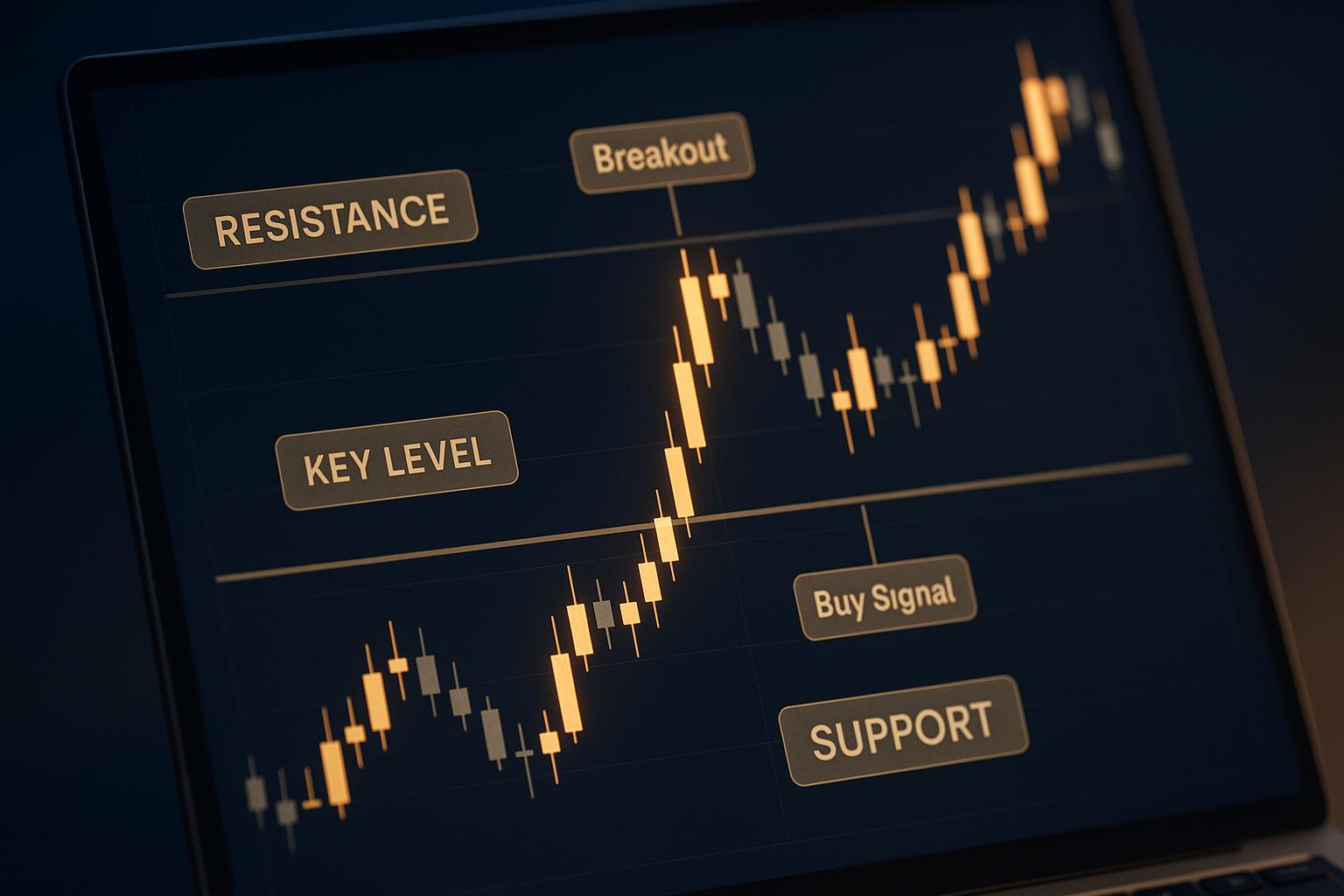
The cryptocurrency market is a fast-paced, high-stakes environment that requires a deep understanding of chart patterns, key levels, and market signals. Whether you’re a beginner eager to learn or an experienced trader looking to refine your skills, decoding crypto chart signals is essential to stay ahead in this volatile space. In a recent analysis session, crypto expert insights provided a transformative roadmap for identifying opportunities in cryptocurrencies like XRP, Dogecoin, Ethereum (ETH), and Solana (SOL). This article synthesizes those insights into actionable strategies that traders can apply to enhance their results.
Introduction: Why Reading Crypto Charts Is Crucial
The cryptocurrency market is highly dynamic. Prices often experience sharp volatility, influenced by global events, investor sentiment, and major market players. Understanding the technical aspects - such as identifying levels of support and resistance, stages of market movement, and behavioral trends - can position traders to act decisively, mitigate risks, and capitalize on opportunities. This article breaks down key takeaways from the discussion, offering readers a guide to mastering crypto chart signals with a mix of technical strategies and psychological preparation.
The Stages of Market Movement: A Foundation for Analysis
One of the central concepts highlighted in crypto trading is the importance of recognizing market stages. Market behavior, regardless of the asset, often follows predictable patterns. These stages provide critical insight into when to buy, hold, or sell.
The 4 Stages of Market Movement (Page 41 Concept)
-
Stage 1: Accumulation
-
A period of consolidation after a major drop where prices stabilize.
-
Ideal for entering long-term positions as fear dominates the market.
-
Example: XRP was highlighted as repeatedly showcasing this stage after major spikes.
-
-
Stage 2: Breakout
-
Price breaks upward from consolidation, leading to a sharp rally.
-
Traders should carefully watch breakout levels and volume to confirm strength.
-
-
Stage 3: Distribution
-
The rally stabilizes, and prices begin to move sideways as selling pressure increases.
-
Traders often take profits in this stage.
-
-
Stage 4: Decline
-
The market tops out, and prices begin a downward trajectory.
-
Avoid buying during this stage unless you’re waiting for a significant pullback to re-enter at support zones.
-
Each stage comes with its own risks and opportunities - understanding them is key to timing your trades effectively.
Key Levels to Watch Across Major Crypto Assets
XRP (Ripple)
Ripple was a focal point of discussion due to its historical price action and its utility in banking systems. XRP has seen periods of massive spikes followed by retracements, creating patterns that traders can analyze for predictable behavior.
-
Historical Levels of Interest:
-
$2.15: A critical resistance level where price often struggles to break higher.
-
$1.59: A key support zone that, if breached, could lead to further decline.
-
-
Strategy Tip: After a major spike, XRP tends to consolidate before another potential rally. This makes patience and observation critical for XRP traders.
Dogecoin (DOGE)
Dogecoin, despite being a meme coin, has demonstrated significant moves fueled by market sentiment and key influencers like Elon Musk.
-
Recurring Pattern:
-
Doge frequently showcases large spikes followed by extended periods of consolidation and retracement.
-
Historically, the best time to buy Doge has been during periods of maximum fear and low sentiment (Stage 1).
-
-
Important Note: While meme coins can yield high returns, they come with heightened risks. Traders should approach them with strict risk management and avoid getting caught in hype-driven FOMO (Fear of Missing Out).
Ethereum (ETH)
Ethereum, a cornerstone of the crypto market, has demonstrated robust technical levels and patterns.
-
Key Levels to Monitor:
-
$2,000: A psychological resistance zone.
-
$1,590: A historical support level that has consistently held price action.
-
-
Strategy Tip: Ethereum’s price behavior aligns closely with broader market trends. Traders looking to invest in ETH should monitor Bitcoin’s performance, as it often dictates the direction of the entire crypto market.
Solana (SOL)
Solana has gained attention for its technological capabilities and rapid growth, but it has also experienced significant price swings.
-
Critical Zones:
-
$117: A major support level. Holding above this level signals strength, but breaching it could lead to further downside.
-
$166 and $238: Resistance levels where traders can expect selling pressure.
-
-
Long-Term Outlook: Solana remains a project with potential due to its ecosystem growth. Consolidation near key levels suggests opportunities for long-term accumulation.
Bitcoin (BTC): The Gold Standard of Crypto Investments
Bitcoin is often referred to as digital gold, and for good reason - it serves as the anchor for the entire cryptocurrency market. Understanding Bitcoin’s price behavior is crucial because its movements heavily influence altcoins.
Current State of Bitcoin
-
Bitcoin is currently in a Stage 4 decline, with prices consolidating near significant support zones.
-
Key Levels:
-
$69,000: A major resistance zone. Breaking below this level could trigger a significant drop in sentiment.
-
$25,000: A critical support zone that serves as a psychological safety net for many investors.
-
The Long-Term Strategy
Bitcoin should be treated as a "forever asset." Rather than attempting to time the market, traders can automate their investments by setting up recurring buys. This strategy, often called "dollar-cost averaging", allows you to accumulate BTC over time without worrying about short-term price volatility.
Psychological Mastery: Navigating Fear and Greed
The cryptocurrency market is not just about technicals - it’s equally a psychological game. Traders often fall prey to two emotions: fear and greed.
Fear Manipulation
-
The media frequently amplifies negative news to incite fear among traders, causing panic selling.
-
Savvy traders take advantage of such moments, buying assets at discounted prices when others are fearful.
Greed and FOMO
-
Major price rallies often create a sense of urgency to buy at inflated levels.
-
Avoid chasing green candles. Instead, wait for retracements to key support levels.
The Key Mindset
Always approach trading with a plan. Know your entry, stop-loss, and profit-taking levels before executing a trade. Emotional decisions almost always lead to losses.
The Role of Fundamentals in Crypto
Beyond technical analysis, fundamental factors like adoption, partnerships, and market sentiment play a significant role in determining the long-term viability of a cryptocurrency. For example:
-
XRP has potential due to its integration into banking systems.
-
Bitcoin is gaining recognition as a store of value akin to gold.
-
Ethereum continues to lead in the smart contract space.
Key Takeaways
-
Understand Market Stages: Recognize the 4 stages of market movement (accumulation, breakout, distribution, decline) to refine your entry and exit points.
-
Strategically Buy Levels: Avoid chasing rallies. Focus on strong support zones for accumulating assets.
-
Automate Bitcoin Investments: Set up recurring buys for Bitcoin to build a long-term position.
-
Monitor Key Levels: Pay attention to historical support and resistance zones for assets like XRP, Doge, ETH, and SOL.
-
Anticipate Fear-Based Opportunities: Use market-wide panic as an opportunity to buy undervalued assets.
-
Diversify Your Portfolio: Hold a mix of coins, prioritizing more stable assets like Bitcoin and Ethereum.
-
Follow Fundamentals: Stay updated on the utility and adoption of the assets you’re trading.
-
Control Emotions: Stick to a trading plan. Avoid impulsive decisions driven by fear or greed.
-
Learn Continuously: The market evolves quickly. Regularly update your knowledge and refine your strategies.
Conclusion: A Roadmap to Crypto Success
Mastering crypto chart signals and strategies requires a blend of technical expertise, emotional control, and a long-term vision. By understanding market patterns, identifying key levels, and approaching trades with discipline, traders can navigate even the most volatile markets with confidence. Whether you’re accumulating Bitcoin for the long haul or swing trading altcoins, the principles outlined here provide a pathway to stay ahead in the ever-evolving crypto space.
Source: "Decoding the Crypto Market: Expert Analysis & Insights" - Day Trade Professor, YouTube, Dec 6, 2025 - https://www.youtube.com/watch?v=IsEaCCCshqI